
"Zimbabwe coffee characteristics"
200 article(s) found

The basic knowledge of coffee in the main producing areas of coffee all over the world
1 South America [Colombia (Colombia)] is the second largest coffee producer in the world, accounting for about 12% of the world's annual output, which is much lower than that of Brazil, but most of them are high-quality mountain-washed beans. Central Colombia is divided into valleys by three north-south longitudinal mountains, of which the central and eastern mountains are the main coffee producing areas. Coffee here
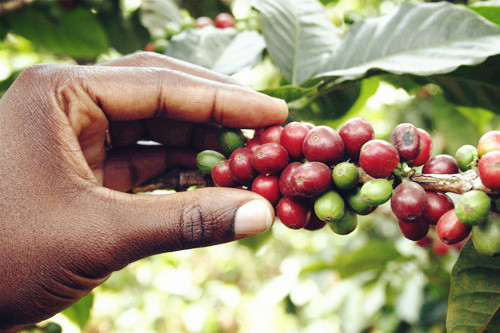
Which continents and countries are coffee belts? coffee knowledge introduction to Honduras Coffee in Honduras
Honduras: selected Highland Coffee South America: Colombia, Venezuela, Peru, Brazil. Latin America, Central America and the Caribbean: Jamaica, Dominican Republic, Puerto Rico. Arab East Africa: Yemen, Ethiopia, Kenya, Tanzania, Maganda, Zimbabwe. Southern Asia Oceania: India, Indonesia, Sulawesi, Guagua, New Guinea, Hawaii, Taiwan

Where was Arabica coffee first discovered? what are the native species of Arabica coffee trees?
Professional coffee knowledge exchange more information about coffee beans Please follow the coffee workshop (Wechat official account cafe_style) Arabica coffee originated in Africa the world's first coffee tree was found in the Horn of Africa. Local indigenous tribes often grind the fruit of coffee and knead it with animal fat to make many ball-shaped balls. Of these indigenous tribes.

Introduction of Coffee from 53 Coffee producers in the World (5)
forty-one. Coffee cultivation in Zimbabwe (Zimbabwe) began relatively recently, in the 1960s, when farmers in southern Africa set up coffee plantations. Coffee cultivation in Zimbabwe is mainly concentrated in the eastern highlands near Mozambique, mainly by the Chimanimani mountains and northward Nyanga (Ny).

Introduction to the method of regional treatment for the description of taste and flavor of coffee trees
When can coffee trees bear fruit, flavor description, characteristics of varieties, regional treatment methods for different regions, the harvest time of coffee varies from region to region. Regions north of the equator (such as Ethiopia and Central America) are generally harvested from September to November. South of the equator, such as Brazil and Zimbabwe, although the harvest can last until August, the main one is in April or May.
Boutique Coffee several world-famous types of coffee
1. Jamaica (Jamaica) mentioned Jamaica, and we immediately heard of Blue Mountain coffee. Rare and expensive true blue beans, originally from the Wallensford Coffee Garden, have now been expanded to the Blue Mountains with an altitude of more than 1000 meters. As long as the tree species and treatment procedures of the manor meet certain standards, the government will issue a guarantee to allow them to use them.

Stories of major producers of African coffee beans what are the characteristics of African coffee beans is African coffee expensive
Professional coffee knowledge exchange more coffee bean information Please pay attention to the coffee workshop (Wechat official account cafe_style) African coffee production currently accounts for only 13 per cent of global coffee production, down from 19-20 per cent in the 1960s and 1970s. According to the statistics of the International Coffee Organization (OIC), the total global coffee production in 2010 was 8 million tons, of which the proportion of African coffee was low. But the income from coffee is
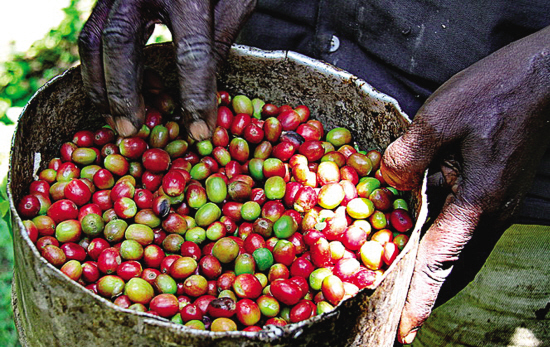
Delicious exotic African coffee African specialty coffee Taste African specialty coffee Taste characteristics
Nowadays, African single-product coffee occupies a place in Fuzhou coffee consumption market with its high-quality characteristics. The reporter learned from many cafes in Fuzhou that more and more people drink single-item coffee, many of whom choose African single-item coffee. Industry insiders believe that more and more people drink single-item coffee, indicating that the coffee consumption market is becoming more and more mature, and consumers 'understanding of coffee is constantly improving.

Introduction to Rwanda Ngororero Laogrovo Coffee Variety: flavor characteristics of Rwanda Coffee
Professional coffee knowledge exchange more coffee bean information please follow coffee workshop (Wechat official account cafe_style) the beautiful country of thousands of hills Rwanda has a long and rich culture for growing highland coffee, mainly to grow high-quality Arabica coffee. Rwanda is one of the few countries in the world that can fully enjoy the harmony between soil elevation and climate. Lou
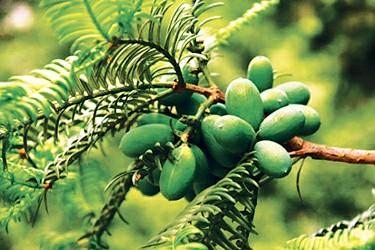
Coffee cultivation: what are the differences between different tree-shaped coffee beans in different producing areas?
There are four kinds of coffee trees in the world, of which only two are of real commercial value and are planted in large quantities. One is the Elaraby species (ARABICA), the other is the Robasta species (KOBUSTA). Different varieties of coffee beans have different flavors, but even the same varieties of coffee trees have their own unique flavors due to the influence of different soils and climates. Allah
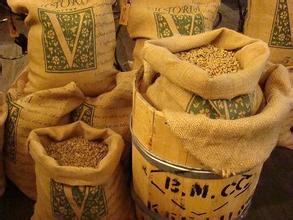
Which country has the best coffee? Coffee-rich country Honduras coffee beans pure Arabica
Honduras: selected Highland Coffee South America: Colombia, Venezuela, Peru, Brazil. Latin America, Central America and the Caribbean: Jamaica, Dominican Republic, Puerto Rico. Arab East Africa: Yemen, Ethiopia, Kenya, Tanzania, Maganda, Zimbabwe. Southern Asia Oceania: India, Indonesia, Sulawesi, Guagua, New Guinea, Hawaii, Taiwan
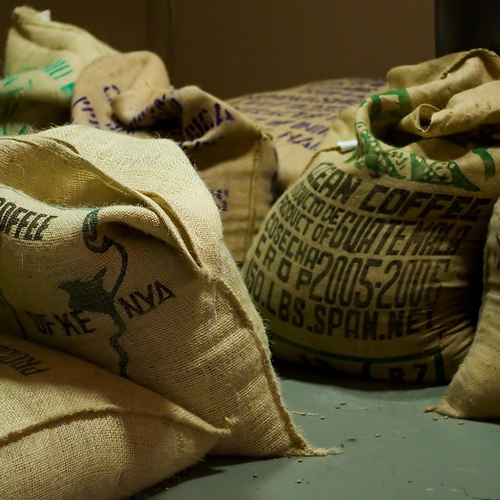
Honduran raw coffee-preferential policy of import tariff on Honduran raw coffee Honduran coffee
Honduras: selected Highland Coffee South America: Colombia, Venezuela, Peru, Brazil. Latin America, Central America and the Caribbean: Jamaica, Dominican Republic, Puerto Rico. Arab East Africa: Yemen, Ethiopia, Kenya, Tanzania, Maganda, Zimbabwe. Southern Asia Oceania: India, Indonesia, Sulawesi, Guagua, New Guinea, Hawaii, Taiwan
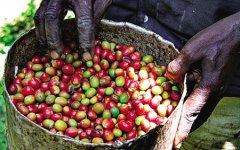
Delicious and exotic African coffee African boutique coffee African boutique coffee taste African boutique coffee
Nowadays, with its high-quality characteristics, African coffee has occupied a place in the coffee consumption market in Fuzhou. The reporter learned from a number of cafes in Fuzhou that more and more people drink individual coffee, and many of them choose African coffee. Industry insiders believe that more and more people drink individual coffee, which shows that the coffee consumption market is becoming more and more mature, and consumers' understanding of coffee is constantly raised.
Introduction of major coffee producing areas in the world
Coffee comes from coffee beans, which are harvested and processed from the fruit of trees. Coffee trees grow at the center of the equator, between latitudes of 25 degrees south and north, and are called the homes of tropical or subtropical countries called coffee belts. At present, there are about 60 coffee-producing countries. Coffee is produced in South America, Central America, the West Indies, Asia, Africa, Arabia, the South Pacific and

Introduction of major coffee producing areas in the world
Coffee comes from coffee beans, which are harvested and processed from the fruit of trees. Coffee trees grow at the center of the equator, between latitudes of 25 degrees south and north, and are called the homes of tropical or subtropical countries called coffee belts. At present, there are about 60 coffee-producing countries. Coffee is produced in South America, Central America, the West Indies, Asia, Africa, Arabia, the South Pacific and
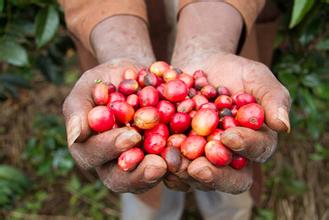
World Coffee producing area / Coffee Bean producing area Honduras Coffee Bean Customs Declaration Honduras Coffee specialty Jane
Honduras: selected Highland Coffee South America: Colombia, Venezuela, Peru, Brazil. Latin America, Central America and the Caribbean: Jamaica, Dominican Republic, Puerto Rico. Arab East Africa: Yemen, Ethiopia, Kenya, Tanzania, Maganda, Zimbabwe. Southern Asia Oceania: India, Indonesia, Sulawesi, Guagua, New Guinea, Hawaii, Taiwan

The main coffee producing areas in the world introduce the types of fine coffee beans.
Coffee comes from coffee beans, which are harvested and processed from the fruit of trees. Coffee trees grow at the center of the equator, between latitudes of 25 degrees south and north, and are called the homes of tropical or subtropical countries called coffee belts. At present, there are about 60 coffee-producing countries. Coffee is produced in South America, Central America, the West Indies, Asia, Africa, Arabia, the South Pacific and
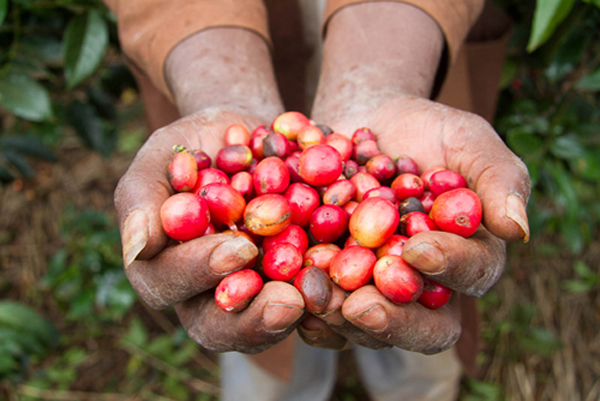
The most detailed introduction to coffee beans in the world. Coffee beginners must see the knowledge points
Coffee comes from coffee beans, which in turn are harvested and processed from the fruits of trees. Coffee trees grow at the equator as the center, between 25 degrees north and south latitude, known as the coffee belt tropical or subtropical countries home, coffee production countries currently have about more than 60 countries, coffee production in South America, Central America, West Indies, Asia, Africa, Arabia, South Pacific and
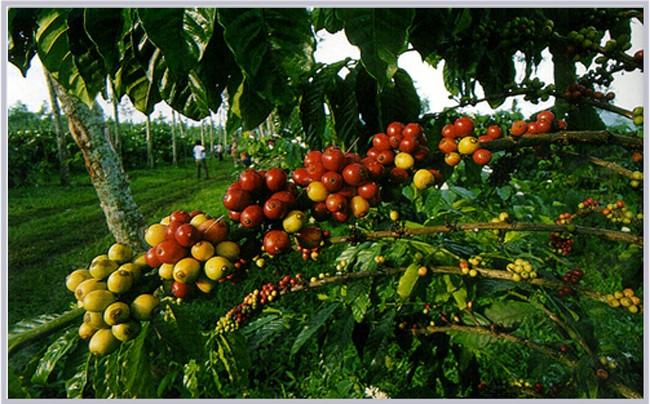
Coffee Estate Knowledge Points: Collection and classification of world boutique coffee estates in detail
Coffee comes from coffee beans, which are harvested and processed from the fruits of trees. Coffee trees grow at the equator as the center, between 25 degrees north and south latitude, known as the coffee belt in tropical or subtropical countries home, coffee beans are currently. Coffee comes from coffee beans, which in turn are harvested and processed from the fruits of trees. Coffee trees grow at the equator.
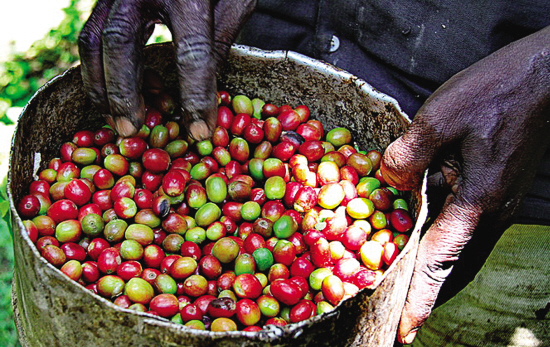
The taste and flavor of the wonderful and unique African boutique coffee are becoming more and more popular.
Nowadays, with its high-quality characteristics, African coffee has occupied a place in the coffee consumption market in Fuzhou. The reporter learned from a number of cafes in Fuzhou that more and more people drink individual coffee, and many of them choose African coffee. Industry insiders believe that more and more people drink individual coffee, which shows that the coffee consumption market is becoming more and more mature, and consumers' understanding of coffee is constantly raised.